
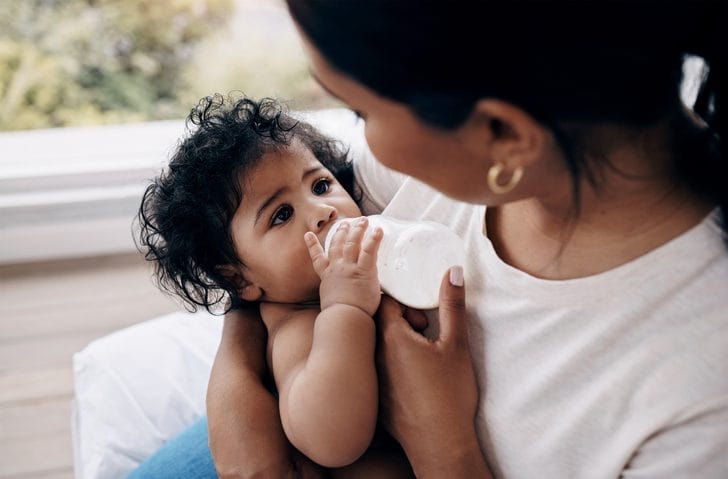
Mother giving her child a bottle of milk

Milk donor resources

Helpful resources to guide you through your milk donation journey.

Videos

How-to videos

Donor FAQ

  • Keep pump parts clean using hot soapy water
  • Store milk in single-use breast milk storage bags or containers
    • We do not accept milk stored in glass jars, zip-top bags, ice cube trays, etc.
  • Label bags or containers with the date that the milk was pumped.
  • Only store milk from different pumping sessions in the same bag or container if it was pumped on the same date
  • After pumping, freeze milk as soon as possible.
    • If you keep milk in the refrigerator, move it to the freezer within 4 days.
  • Do not scald or heat milk before freezing
  • Donate milk that has been frozen for less than nine months
  • Donate milk that was pumped before baby’s second birthday

During the intake process, we will ask about health factors, such as medications, illnesses, and risk of exposure to blood borne pathogens.  Taking medications or having certain conditions or illnesses does not necessarily mean you cannot become a donor.

Certain medications and supplements may be appropriate for you and your child, but may not meet the HMBANA milk donation standards. Exclusions for milk that contains certain medications are applied on a case-by-case basis. Exclusions may be short-term, long-term, or may change based on updated research.

Because our recipient population is very fragile, we ask our donors to follow very conservative alcohol guidelines. Be prepared to discuss your alcohol use with our donor team. We will ask how long you wait to store your pumped milk after consuming any alcohol. It is very helpful to mark a the dates on a calendar that you consume alcohol and the amount consumed.

Many families find comfort in donating their milk after loss, creating a meaningful legacy for their baby while helping fragile infants in need.

Any amount of breastmilk is accepted from families that have suffered a loss.