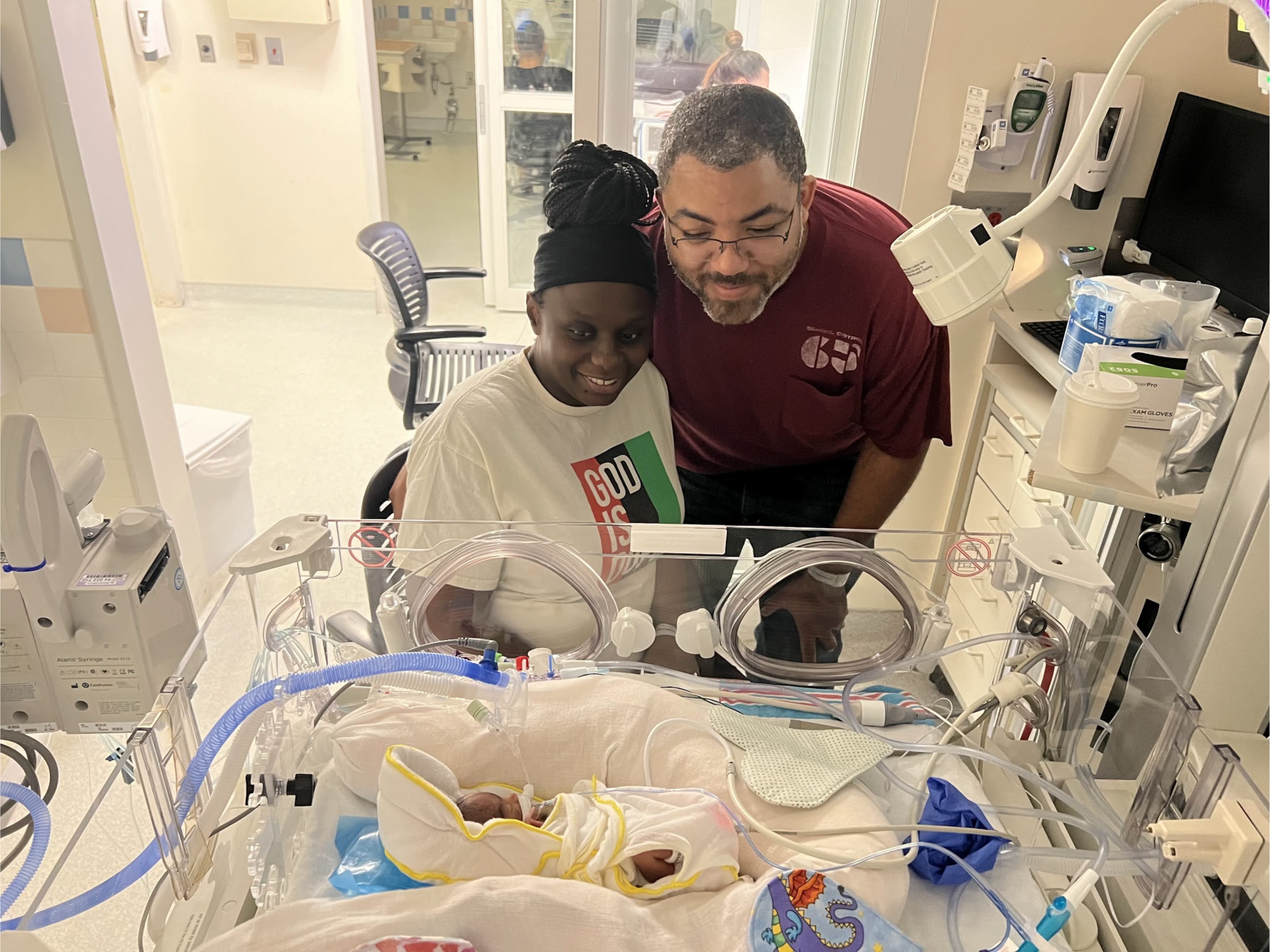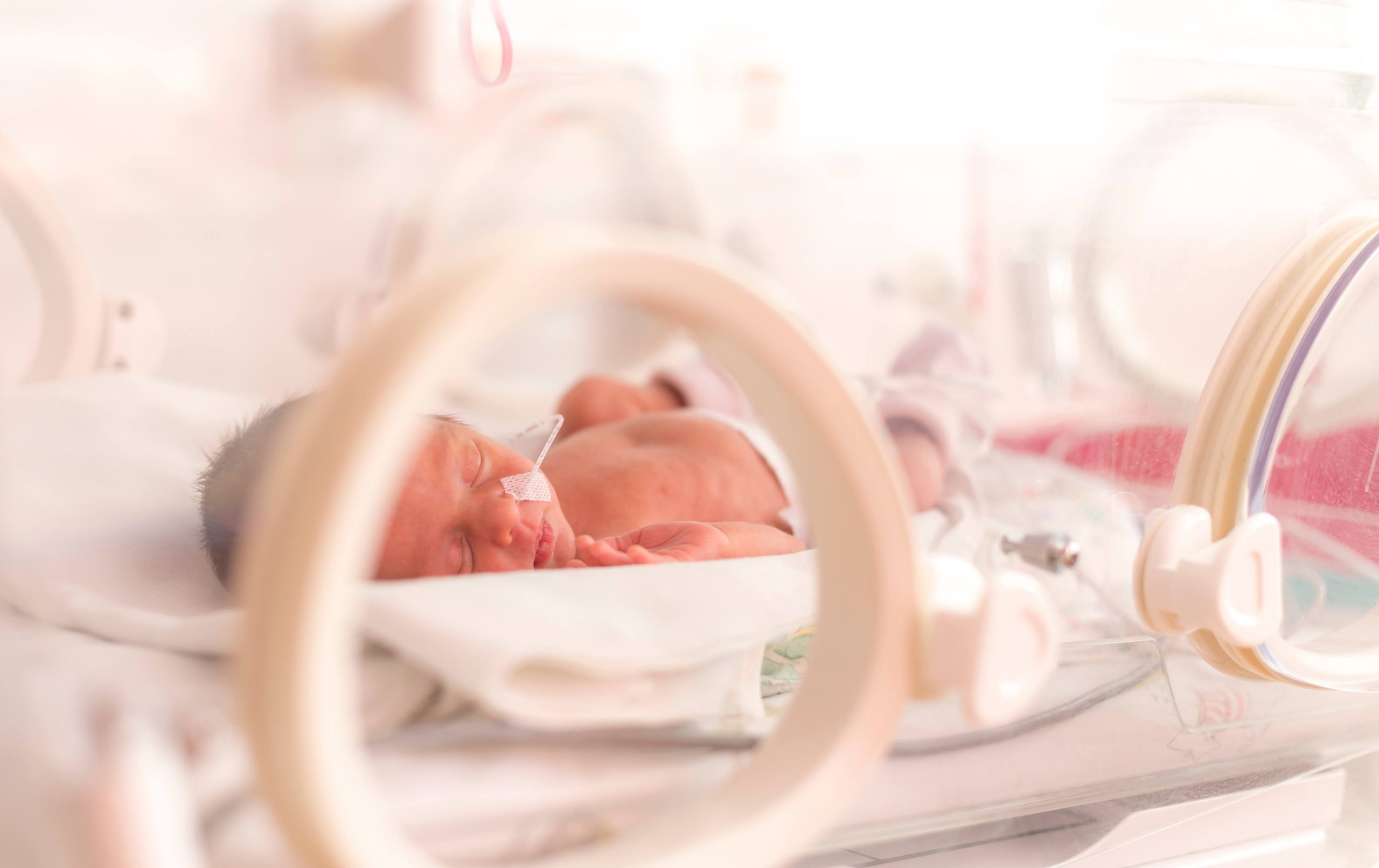
As we observe World Prematurity Day on November 15, our team at Milk Bank WGL wants to share why donor milk is so crucial when caring for infants, especially those born prematurely.
Many studies have shown that pasteurized donor milk is an important and effective nutritional intervention for premature and low-birth-weight babies in the neonatal intensive care unit (NICU). For a baby born earlier than expected, donor milk is more than nutrition: it is protection, comfort, and a bridge to the day a mother’s own milk comes in. And it exists because of generous donors in our community.
One of the most important benefits of donor milk is its ability to lower the risk of necrotizing enterocolitis (NEC), a life-threatening intestinal condition that can affect newborns in their first weeks and months of life. Donor milk provides special sugars, antibodies, and growth factors that support a healthy microbiome, which is linked to a 50% reduction in the risk of NEC for premature infants.
Donor milk offers other benefits as well. It is gentle on newborns’ developing digestive systems, and it provides immune protection, including antibodies and other disease-fighting bioactive factors that help protect fragile newborns from infection.
In conclusion, donor milk is a lifesaving treatment that reduces the risk of NEC while supporting healthy growth and development.
Want to help a newborn in the NICU? Your gift helps turn compassion into care for the babies who need it most. Whether you donate breast milk, make a financial contribution, volunteer your time, or honor a loved one with a tribute gift, your support helps ensure that vulnerable infants have access to safe donor milk.
Together, we can give more babies the healthiest possible start.
Learn how you can get involved here with our organization: Home – Mothers’ Milk Bank of the Western Great Lakes